
"stone fruit"
1000 article(s) found

How to identify defective coffee beans and how to choose coffee beans that suit your taste
Damage to the refining process, such as shelling, washing, etc., sometimes the damaged edges will turn black. It has the taste of fermentation, mildew, soil and so on, and it is also easy to carbonize and produce scorched taste when baking. Affect the appearance of cooked beans, too much carbonized ingredients will have an adverse effect on health. Other foreign bodies are non-coffee impurities, including branches, stones, copper plates, etc. Produce all kinds of odors. Unfortunately, based on

Diagrams of the world-famous Kopi Luwak making process in Coffee Encyclopedia
Muscat coffee (Kopi Luwak), Kopi (Indonesian, coffee), Luwak refers to a kind of arboreal wild animal commonly known as civet in Indonesia. Civet coffee is the most expensive coffee in the world, with a price of several hundred US dollars per pound. It is extracted from the feces of the civet and processed. The civet eats the ripe coffee fruit and is excreted through the digestive system.

With chocolate color, complete grain shape, Yemeni coffee flavor, characteristics, taste and manor
Yemeni coffee originated from Arabian coffee trees hundreds of years ago, all of which are produced in areas above 3000 feet above sea level. For hundreds of years, the unique planting and production methods of Yemeni coffee have remained almost unchanged. The seedlings of Yemeni coffee trees are first cultivated in nurseries and then transplanted to high elevations. Pesticides and fertilizers are not used in the breeding process. Mature coffee beans are naturally dried on coffee trees and shelled by stone mill.

Description of Flavor of Coffee beans treated with Red Wine
In addition, some containers are similar to red wine fermentation plugs or one-way exhaust valve devices through which carbon dioxide can be discharged to control the air concentration in the container. At this point, the coffee fruit in the container is fermented with acetic acid, the bean flavor is relatively bright and clean, with citric acid flavor Sasa described in the competition: choose Ray of Columbia Cloud Manor (Las Nubes)

High-quality coffee beans defective beans in coffee baking
Moldy beans: because of incomplete drying, or damp in the process of transportation and storage, cyan and white molds grow, which sometimes make the beans stick together. If these moldy beans are not removed, they will produce moldy smell. Dead beans: beans with abnormal results. The color is not easy to change because of baking, so it is easy to distinguish. The flavor is thin, as harmful as silver skin, and will become a peculiar smell.

Sidamo Coffee Bean Flavor Description Manor Production Area Variety Characteristics Treatment Method Introduction
In Ethiopian sun-baked beans, impurities such as small stones or foreign objects such as twigs are usually found, so special care should be taken when grinding. Although there are these small shortcomings, it does not affect his taste. The most worth mentioning is Sidamo's mocha caffeine. It is a natural decaf coffee. Try the sun coffee and feel the wild desert style day.

Unique Grain shape complete Yemeni Coffee Variety characteristics introduction to Flavor Coffee beans in Manor
Yemeni coffee originated from Arabian coffee trees hundreds of years ago, all produced in areas above 3000 feet above sea level. For hundreds of years, the unique planting and production methods of Yemeni coffee have remained almost unchanged. The seedlings of Yemeni coffee trees are first cultivated in nurseries and then transplanted to high elevations. Pesticides and fertilizers are not used in the breeding process. Mature coffee beans are naturally dried on coffee trees and shelled by stone grinding.

Basic knowledge of boutique coffee beans introduction to several kinds of coffee defective beans
Moldy beans: because of incomplete drying, or damp in the process of transportation and storage, cyan and white molds grow, which sometimes make the beans stick together. If these moldy beans are not removed, they will produce moldy smell. Dead beans: beans with abnormal results. The color is not easy to change because of baking, so it is easy to distinguish. The flavor is thin, as harmful as silver skin, and will become a peculiar smell.

Yemeni Coffee with complete Grain shape and unique Flavor introduction to Fine Coffee beans in Manor
Yemeni coffee originated from Arabian coffee trees hundreds of years ago, all produced in areas above 3000 feet above sea level. For hundreds of years, the unique planting and production methods of Yemeni coffee have remained almost unchanged. The seedlings of Yemeni coffee trees are first cultivated in nurseries and then transplanted to high elevations. Pesticides and fertilizers are not used in the breeding process. Mature coffee beans are naturally dried on coffee trees and shelled by stone grinding.

What is the most primitive mode of production of coffee? a brief introduction to the ancient sun drying of Yemeni coffee
Professional coffee knowledge exchange more coffee bean information please follow the coffee workshop (Wechat official account cafe_style) Yemen is a classic of the ancient early taste of the sun, is also the world's only full-time coffee producer. Europe's fascination with game mocha has not changed since the 17th century. This is related to the extremely dry climate in Yemen, where coffee is mainly grown in the central highlands, with an average annual rainfall of only 400750 millimeters.
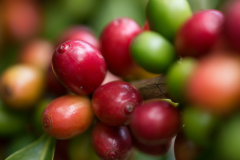
The Origin, characteristics and long-standing Market trend of Mocha in Yemen
Professional coffee knowledge exchange more coffee bean information please follow the coffee workshop (Wechat official account cafe_style) Yemen, the hometown of mocha coffee, Yemen is the first country in the world to produce coffee on a large scale as a crop. The Yemeni mocha coffee has distinctive taste characteristics, special taste and varied levels, it has a strong sour taste, it is the kind of pleasant fruit acidity, and
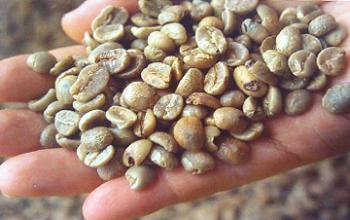
Detailed introduction of coffee beans: introduction of the classification characteristics and shapes of several kinds of defective beans
Coffee training several kinds of defective beans introduce moldy beans: because of incomplete drying, or damp during transportation and storage, cyan and white molds grow, which sometimes make the beans stick together. If these moldy beans are not removed, they will produce a moldy smell. Dead beans: beans with abnormal results. The color is not easy to change because of baking, so it is easy to distinguish. The flavor is thin, with silver skin

Antigua, Guatemala-Alpine volcanic beans | how to make Antigua coffee
For more information on coffee beans, please follow the coffee workshop (Wechat official account cafe_style) Guatemala, which has the best coffee growing environment in Central American countries, including the perfect combination of coffee growth height, fertile soil and coffee growing climate. The coffee produced in the Guatemala-Antigua region is the most well-known.

Yemeni Coffee varieties with complete Grain shape and unique Flavor introduction to Fine Coffee beans in Manor
Yemeni coffee originated from Arabian coffee trees hundreds of years ago, all produced in areas above 3000 feet above sea level. For hundreds of years, the unique planting and production methods of Yemeni coffee have remained almost unchanged. The seedlings of Yemeni coffee trees are first cultivated in nurseries and then transplanted to high elevations. Pesticides and fertilizers are not used in the breeding process. Mature coffee beans are naturally dried on coffee trees and shelled by stone grinding.

Introduction to the Flavor of Fine Coffee beans with unique Grain shape and complete Yemeni Coffee varieties
Yemeni coffee originated from Arabian coffee trees hundreds of years ago, all produced in areas above 3000 feet above sea level. For hundreds of years, the unique planting and production methods of Yemeni coffee have remained almost unchanged. The seedlings of Yemeni coffee trees are first cultivated in nurseries and then transplanted to high elevations. Pesticides and fertilizers are not used in the breeding process. Mature coffee beans are naturally dried on coffee trees and shelled by stone grinding.
The Origin, characteristics and long-standing Market trend of Fine Coffee Yemeni Moka
Professional coffee knowledge exchange more coffee bean information please follow the coffee workshop (Wechat official account cafe_style) Yemen, the hometown of mocha coffee, Yemen is the first country in the world to produce coffee on a large scale as a crop. The Yemeni mocha coffee has distinctive taste characteristics, special taste and varied levels, it has a strong sour taste, it is the kind of pleasant fruit acidity, and
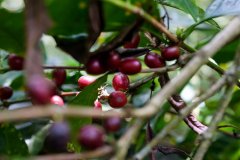
Introduction of Finca Tres Soles Pacamara Round Bean Pacamara PB of Anjing Manor in Nicaragua
Special variety-Pacamara introduces [special variety-Pacamara elephant bean round bean] Pacamara is a coffee hybrid breed that has become popular all over the world in recent years! Rising star! The unique and individual flavor makes the Pacamara and the geisha listed as a special species of concern, but it is very different from the bright tonality of the geisha. Many foodies describe the taste of the Pacamara as a brand-new taste bud.

Stonehenge Manor, Costa Rica blueberry coffee beans, anaerobic heavy honey treatment process.
Costa Rica introduced coffee beans from Cuba in 1729, and Costa Rica became the first country in Central America to grow coffee and the first to grow coffee because of its commercial value. Costa Rica is rich in volcanic soil, coupled with the influence of Pacific currents and monsoons, giving it a unique microclimate. Costa Rican boutique coffee growing areas have sufficient health.

Kenyan coffee beans. How about Kenyan coffee beans?
Following caf é comments (Wechat official account vdailycom) found that Fairview Cafe opened its own shop for Kenyan coffee beans: the best grade of Kenyan coffee is PB, followed by AA, AB and so on. PB (PeaBerry) round beans: this is the grading for small round beans. This means that there is only one stone in the coffee fruit, not the common one.